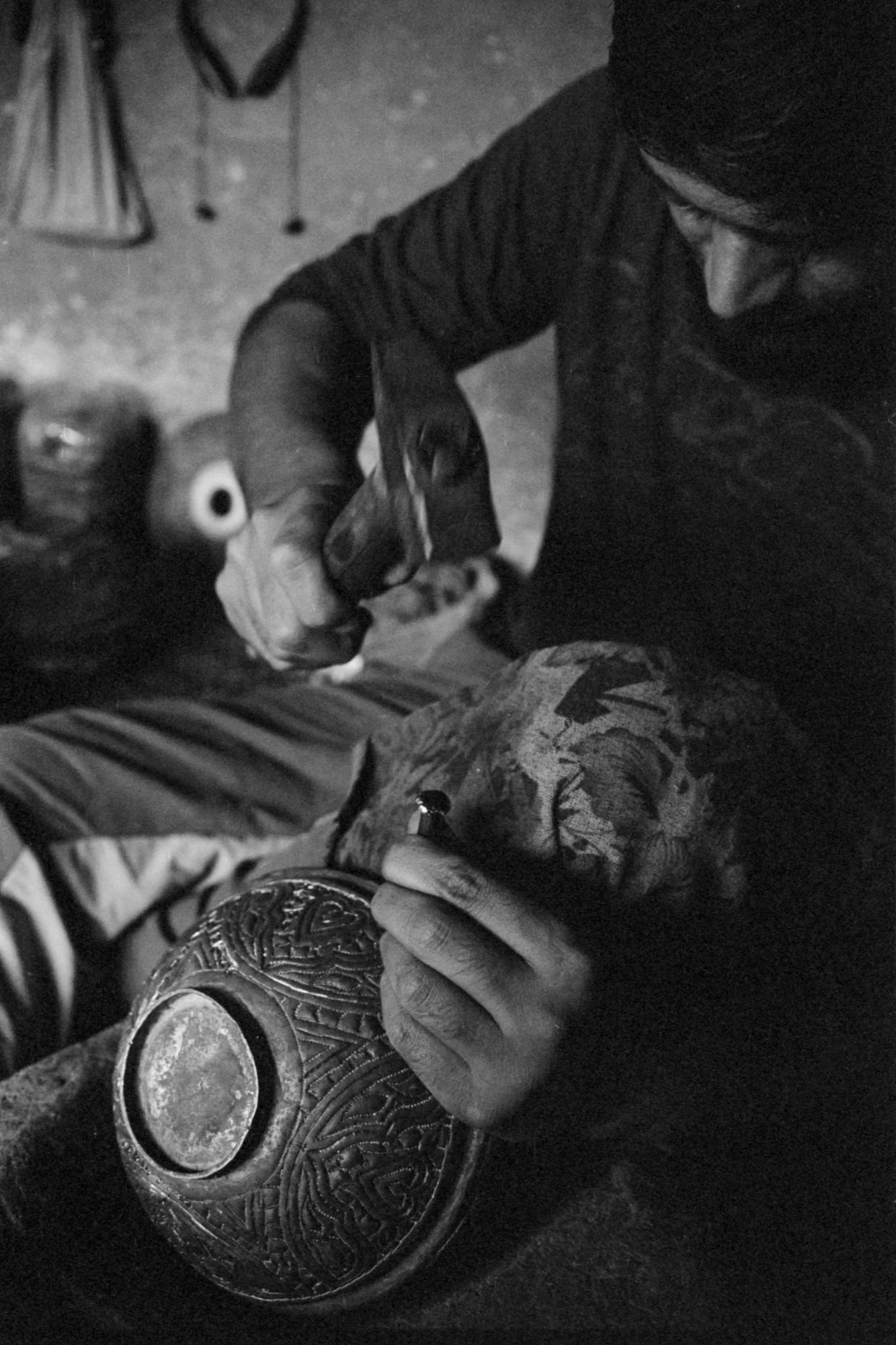

Keepers of a fading warmth
(2022)
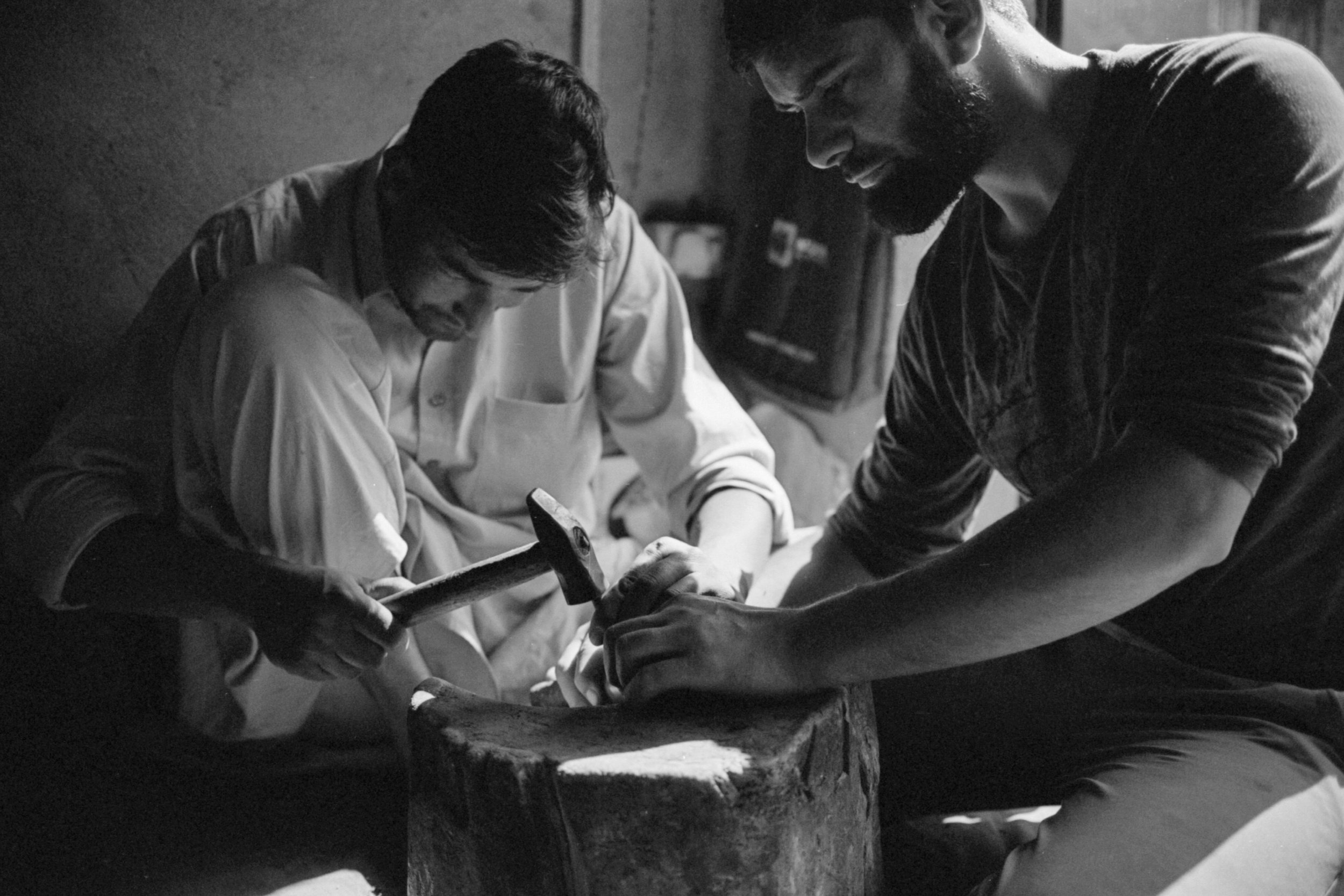
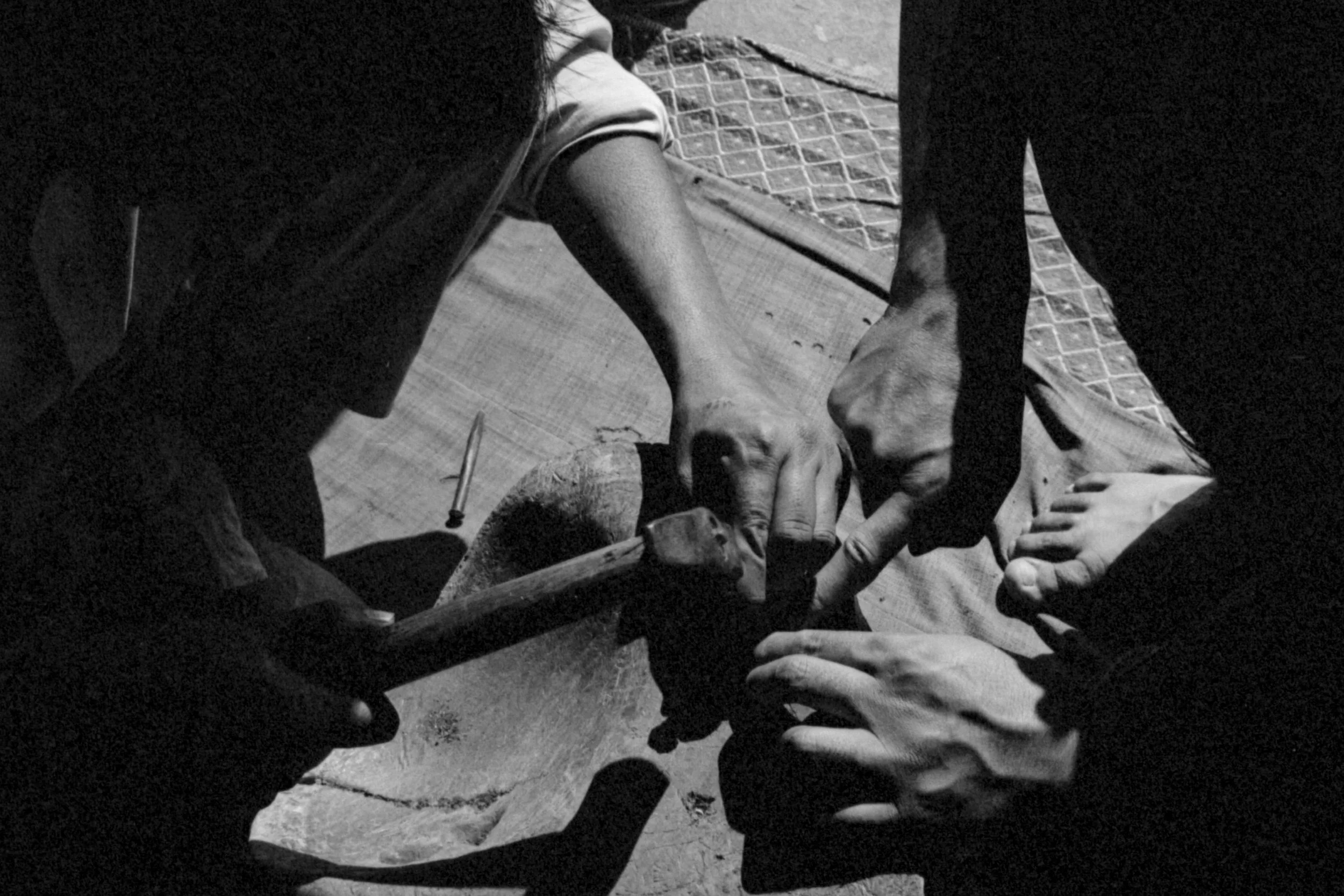
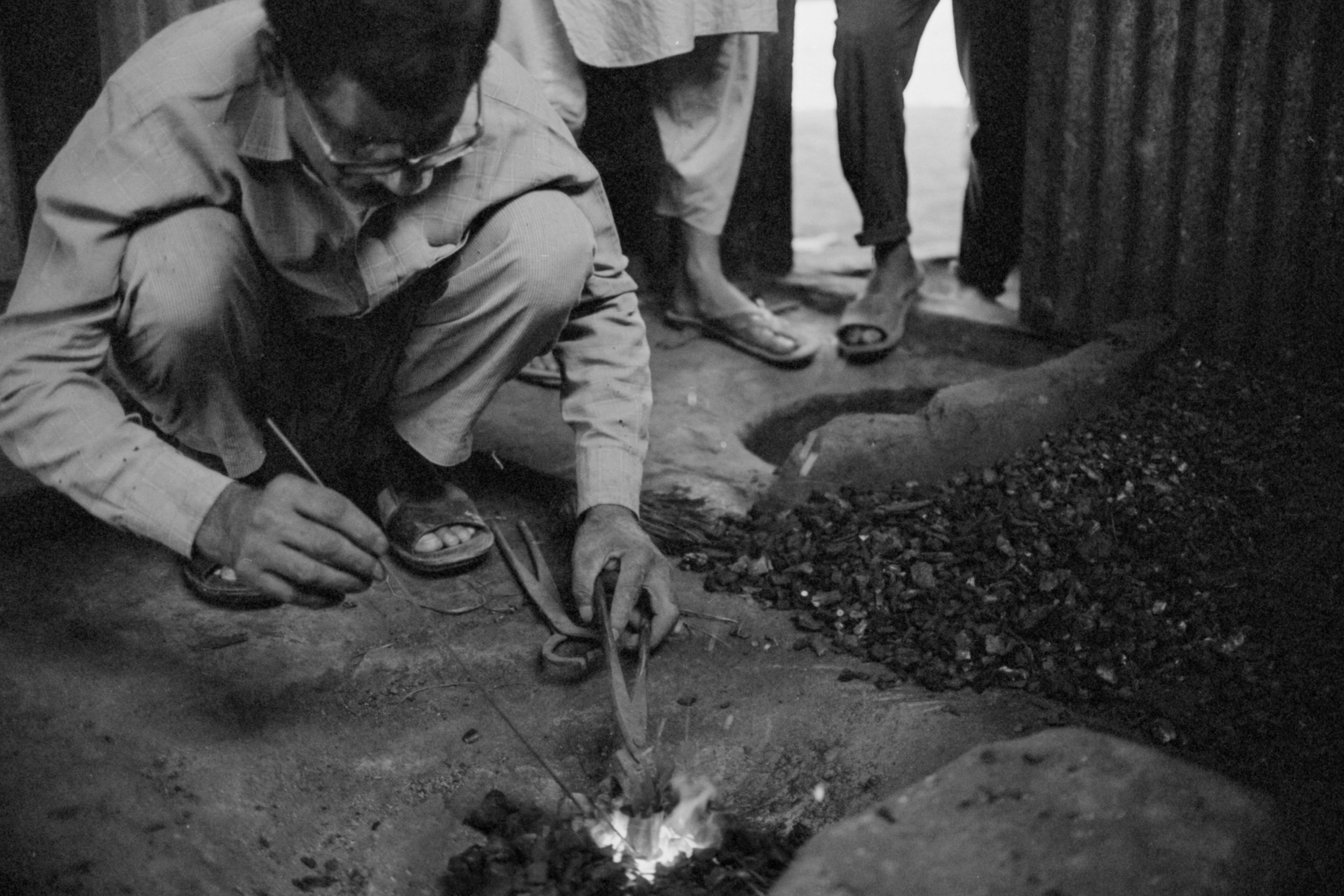
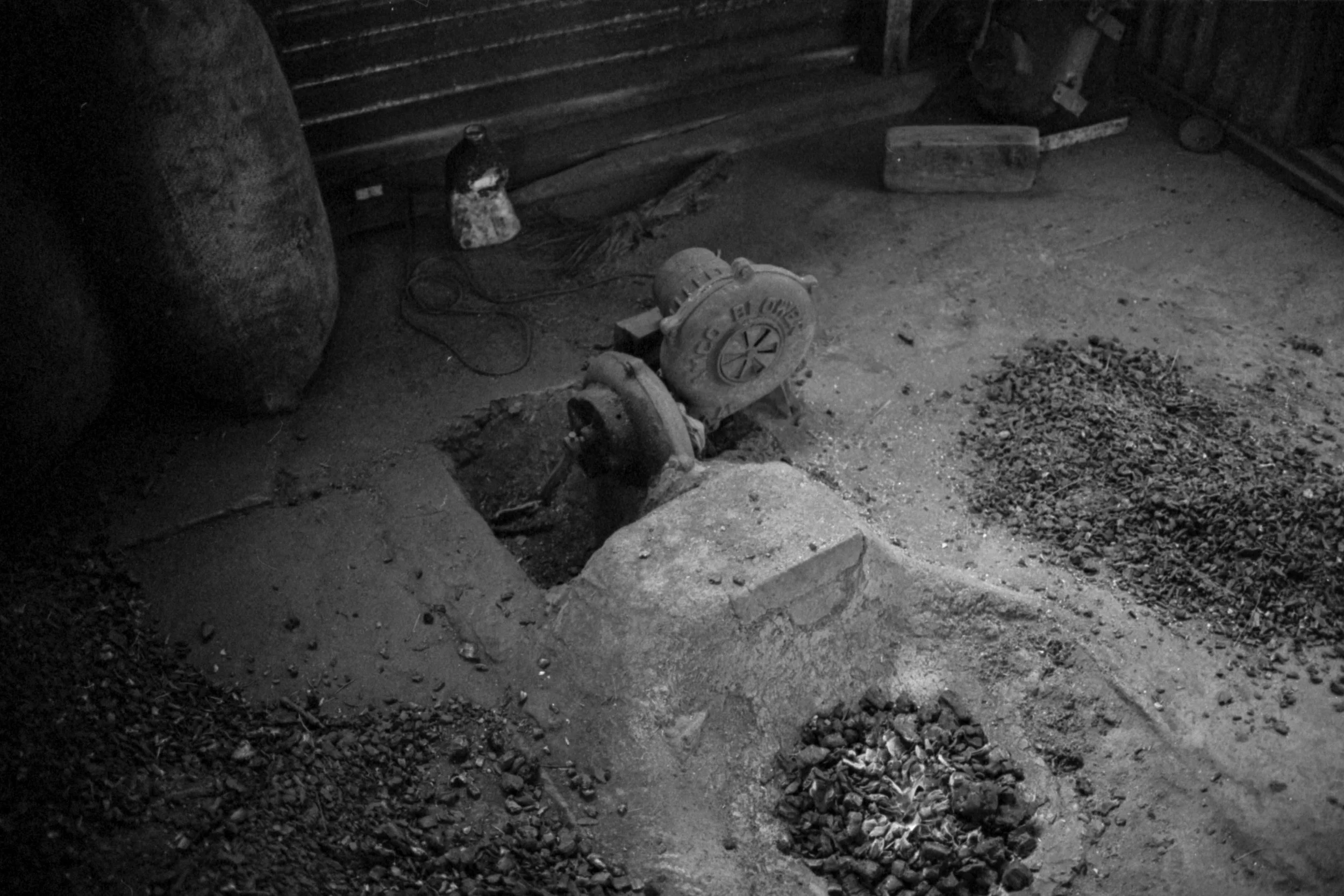
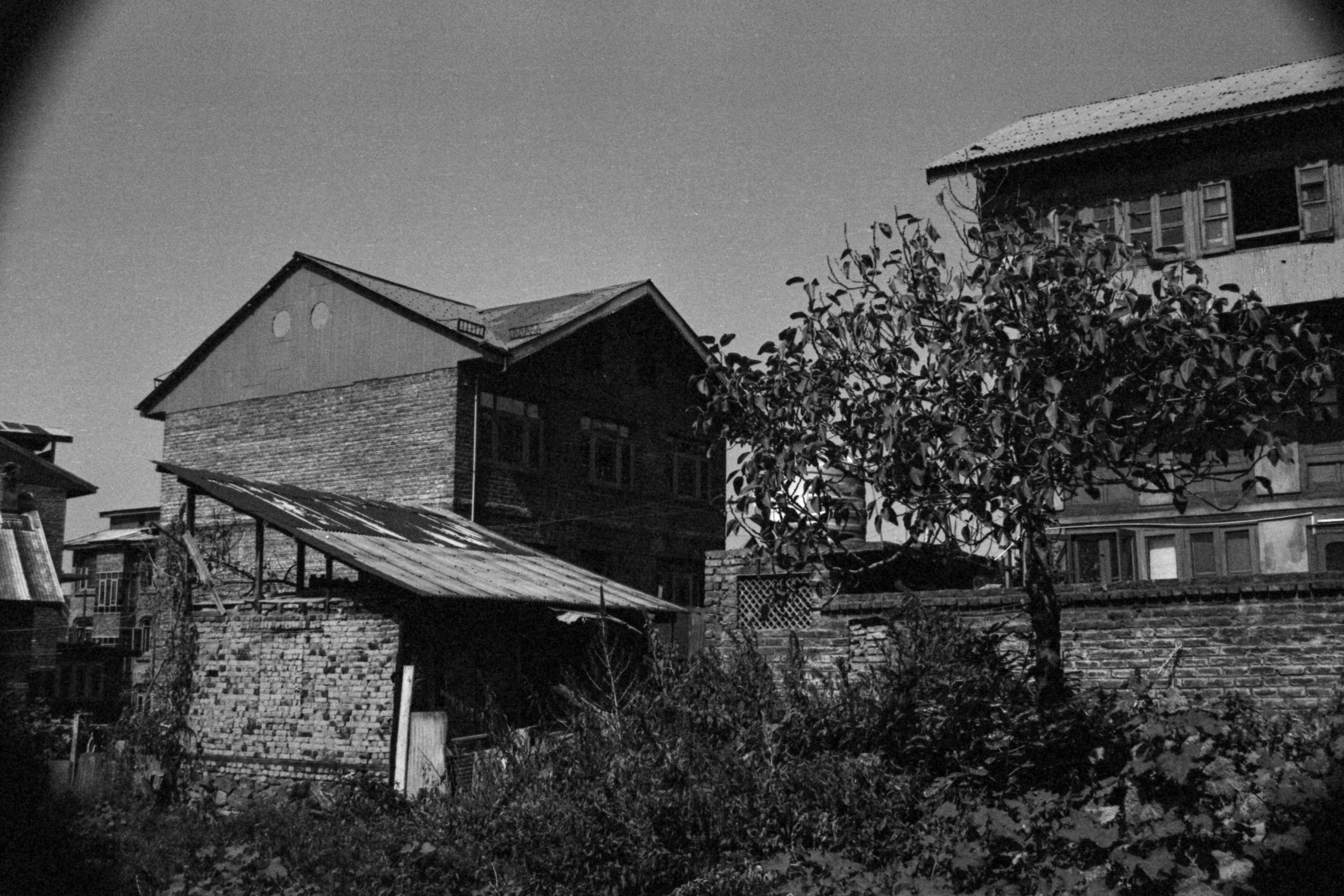
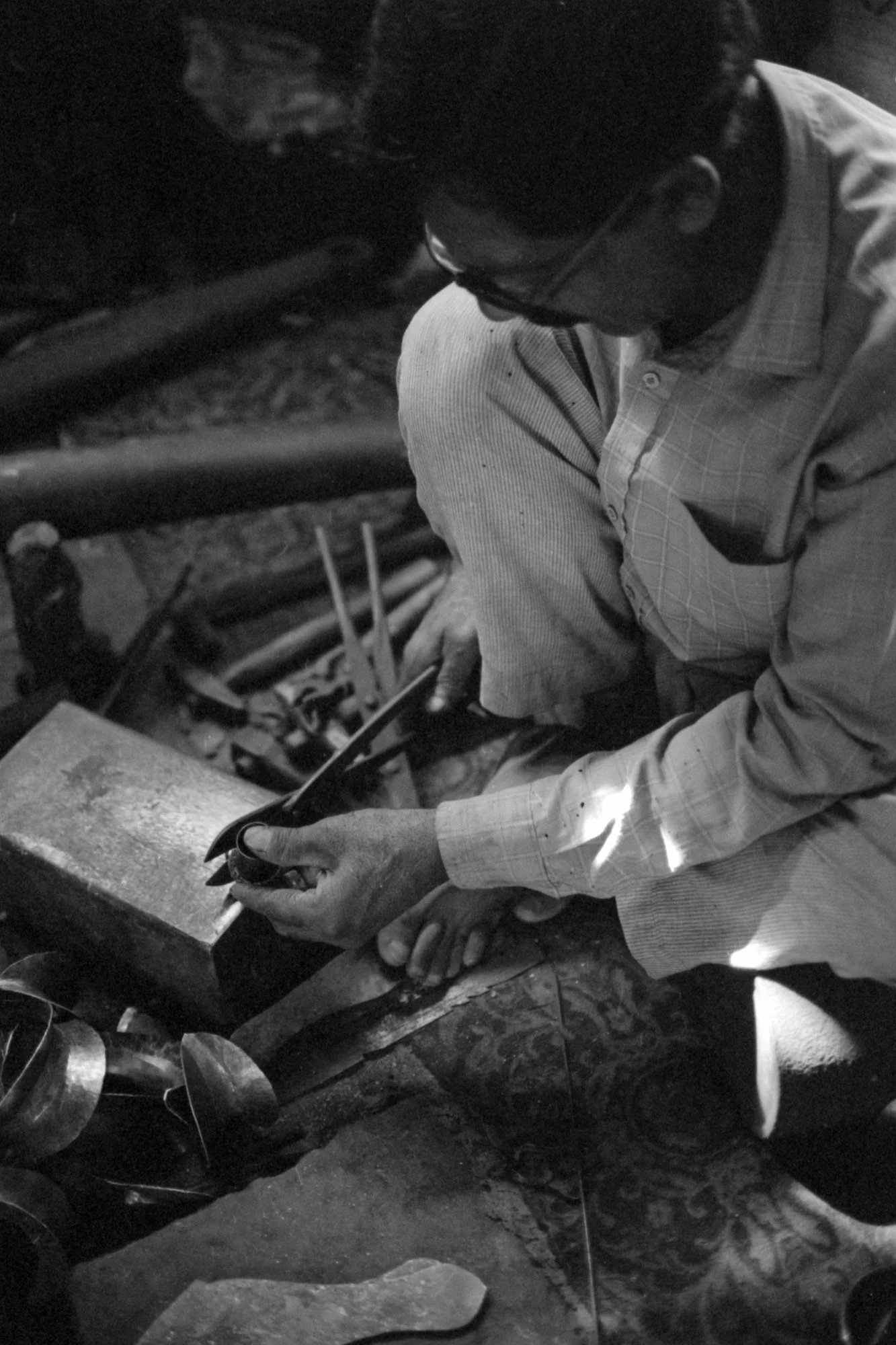
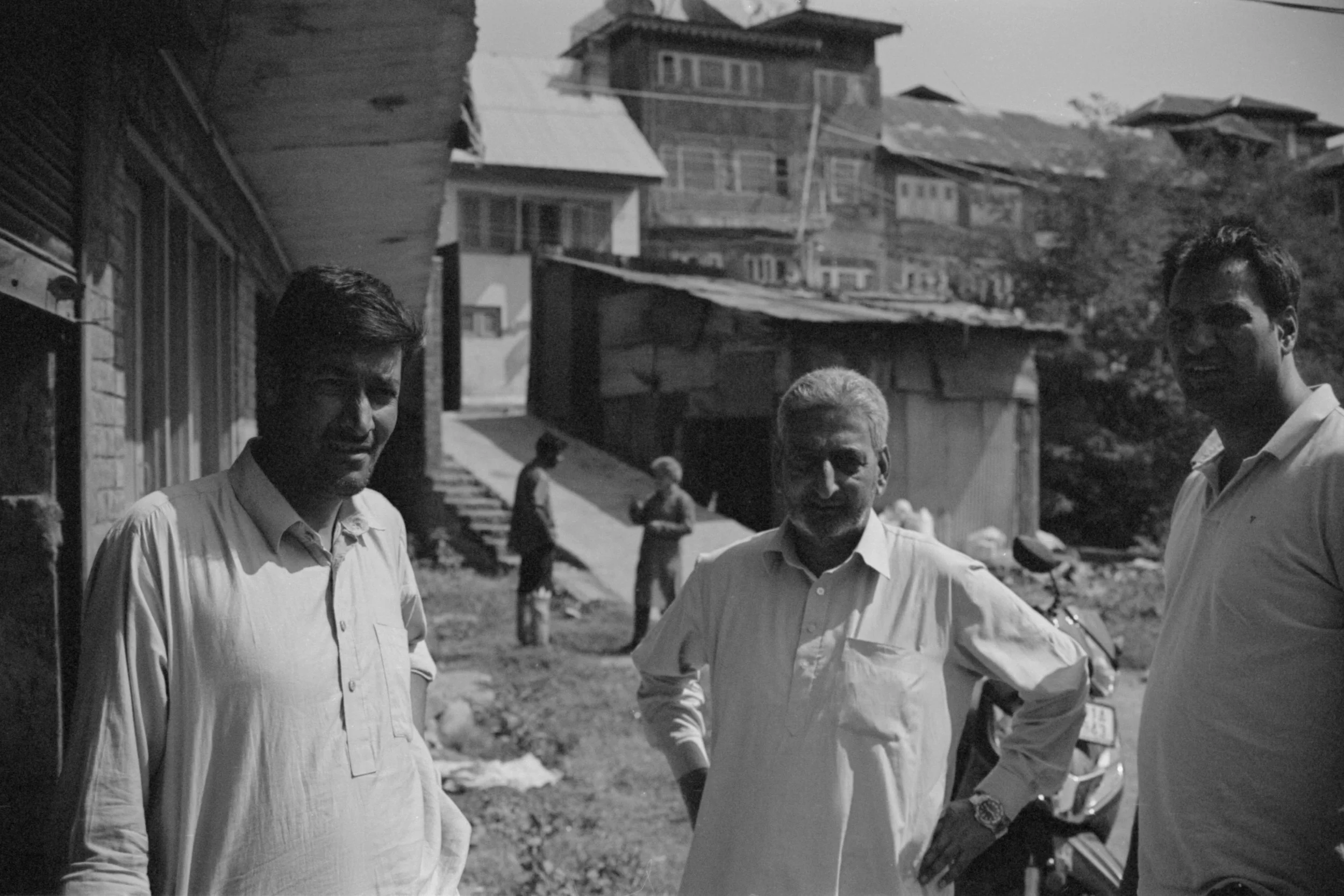
In a quiet residential lane in Srinagar, a family of samovar makers carries on a fading tradition. Their compound, which includes their home, a traditional Kashmiri bakery (kandur), alongside their workshop, serves as the center of their craft. Inside, sheets of copper, simple hand tools, and the steady rhythm of hammering come together to shape vessels that remain essential to the community and are deeply rooted in its cultural history.
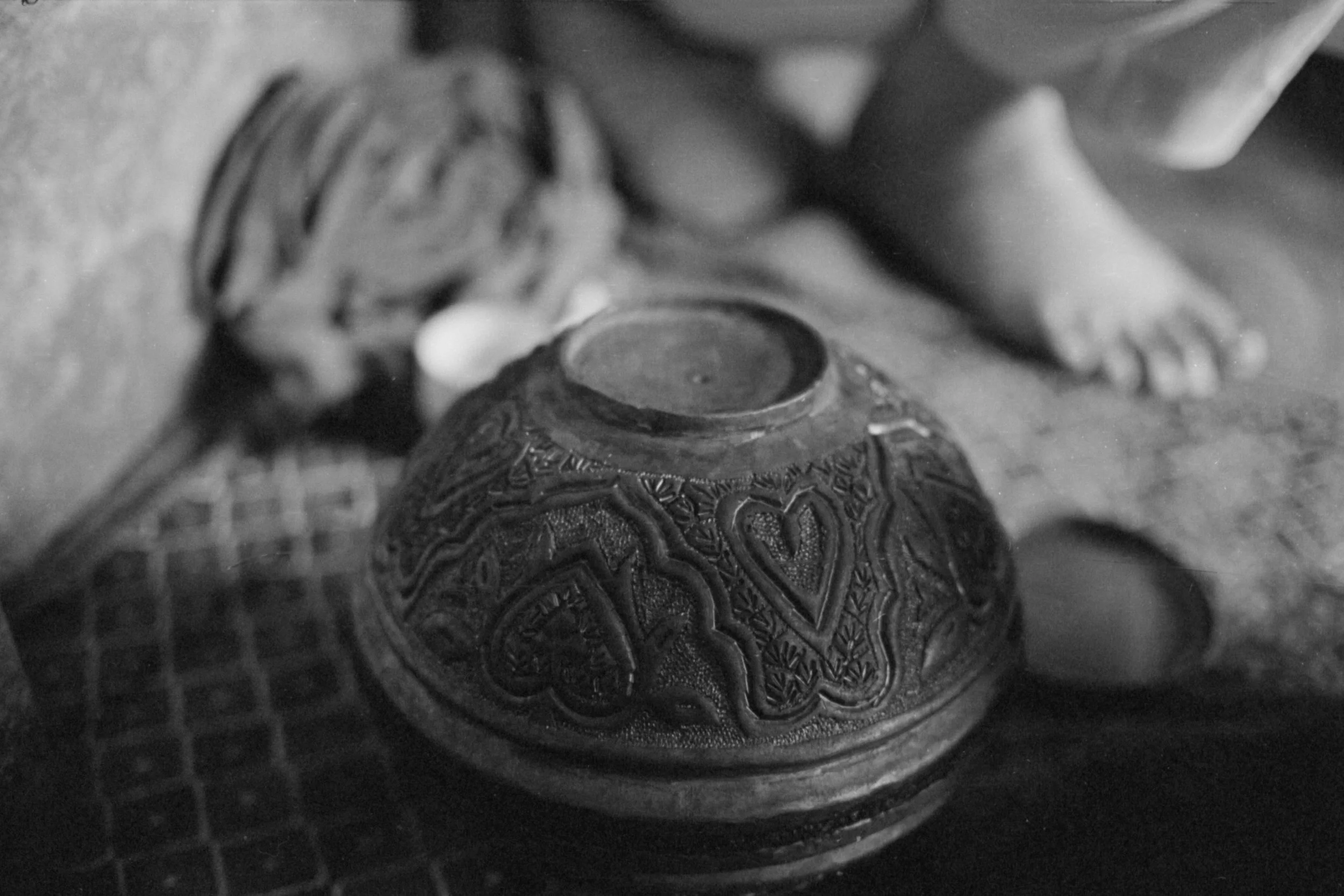
More than just a vessel, the samovar in Kashmir traces its roots to Central Asian and Persian trade routes, arriving in the region around the 17th or 18th century. Over time, it was adapted for making kahwa, the traditional spiced tea of Kashmir. Used in homes, gatherings, and celebrations as a symbol of hospitality and community, samovar are adorned with intricate motifs that are unique to the region and passed down through generations of artisans.
Across Kashmir, many such handicrafts are gradually fading as younger generations turn away from traditional apprenticeships, drawn instead to faster, more stable livelihoods. Many leave in search of a different life, away from the uncertainties and political tensions that shape the region.